Agriculture & Food
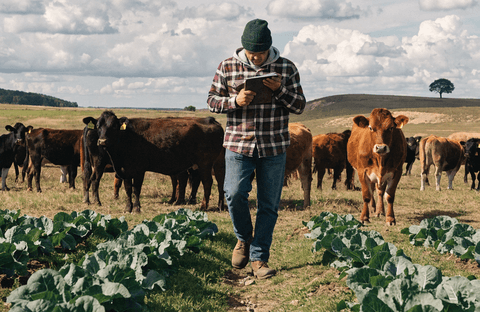
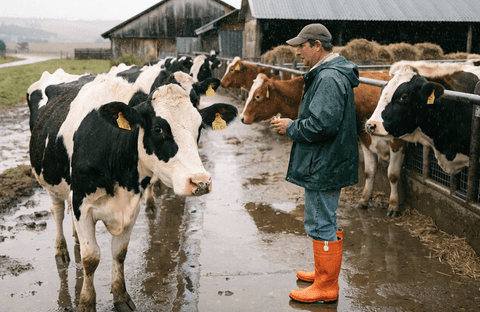
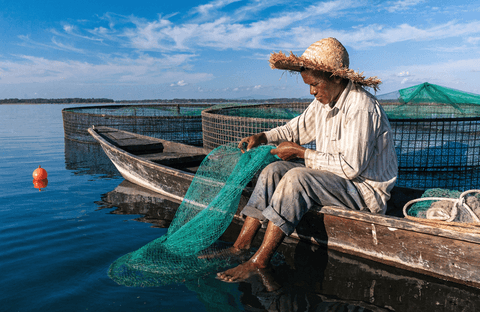
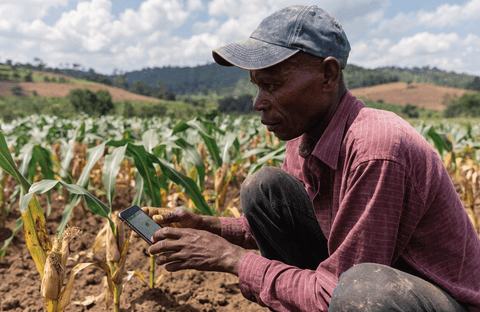
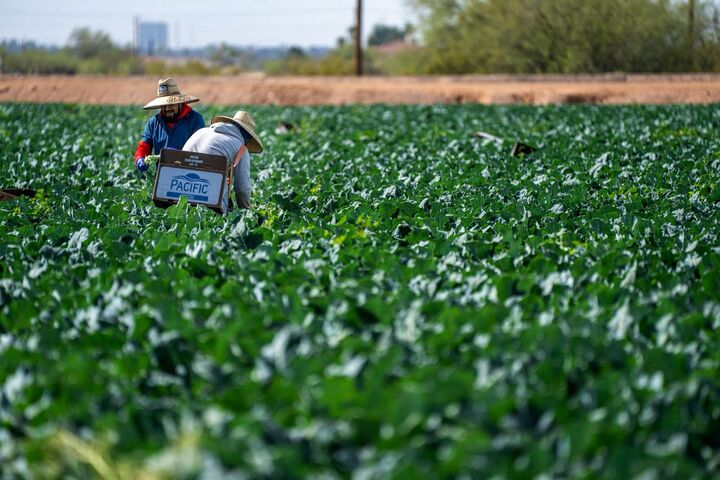
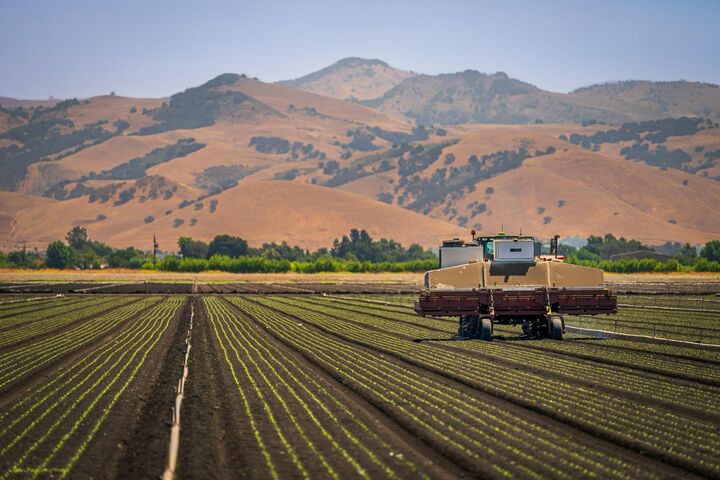
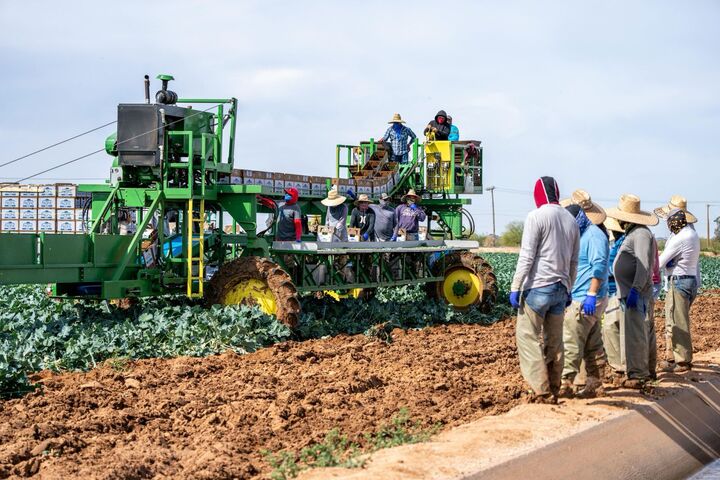
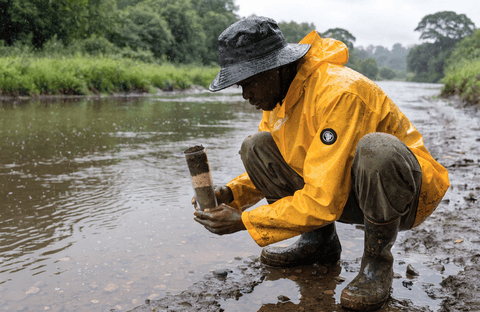
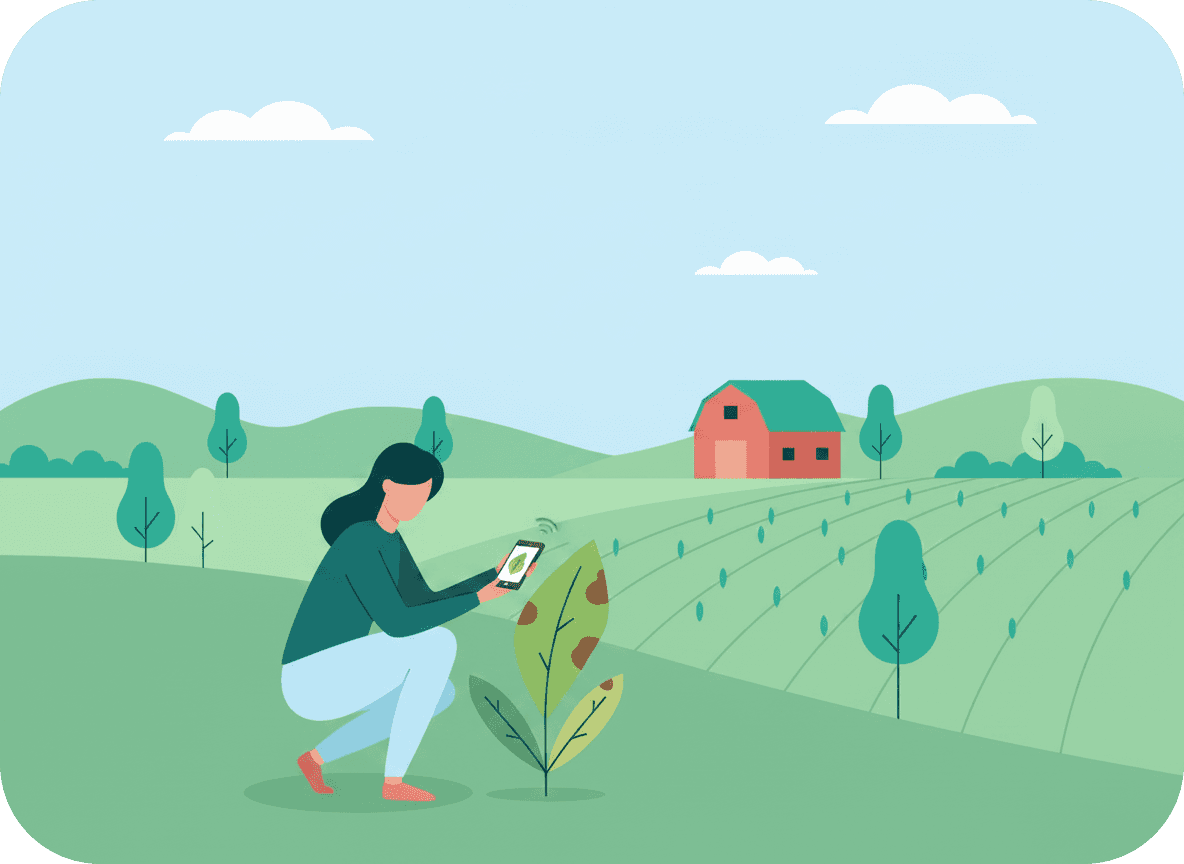
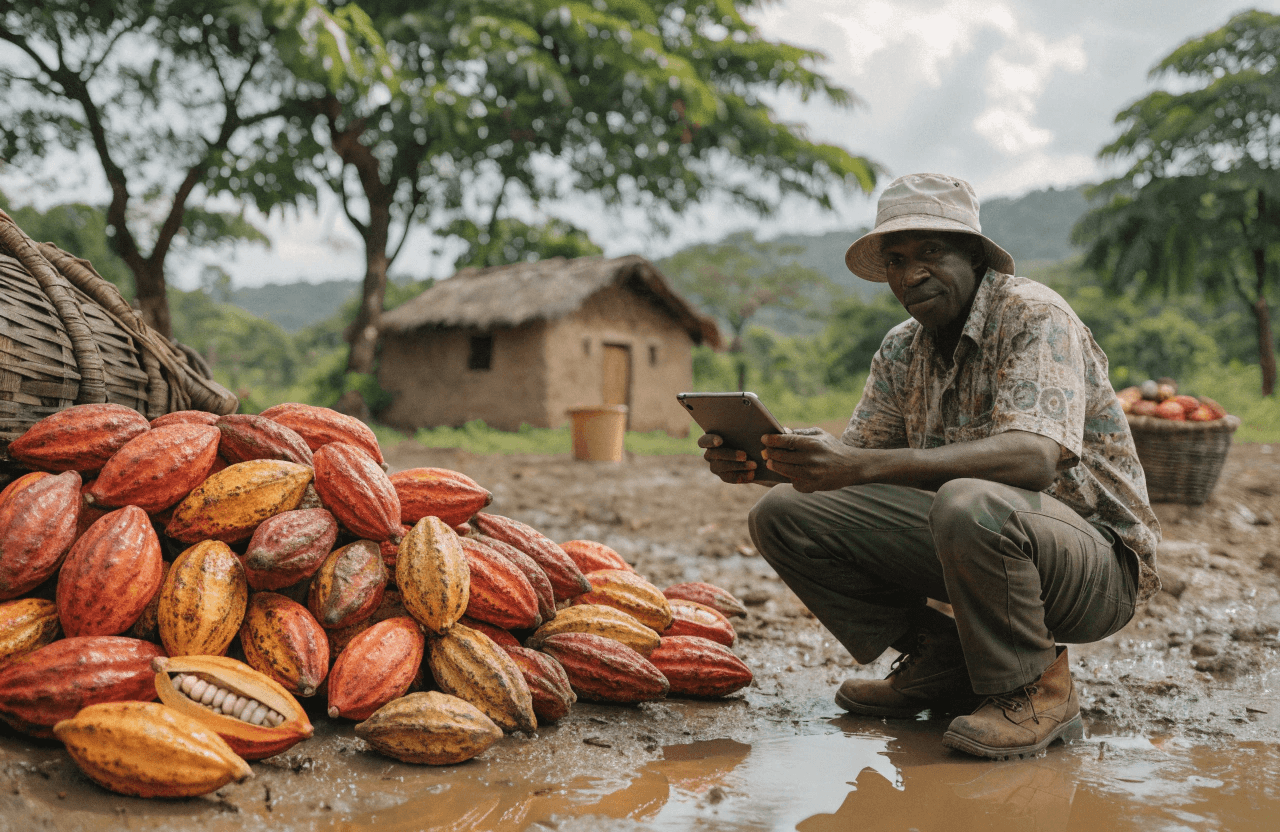
Whether you run an extension service, a sourcing program, or an on-farm trial, getting timely information from farmers and field teams is a challenge. An extension team might be responsible for hundreds or thousands of growers spread across a large area, which makes it costly and time-consuming to visit everyone regularly. As a result, a lot of information about what is happening on the ground can arrive late, indirectly, or only during periodic field visits. Poket helps create another way to collect that information. Farmers, agronomists, extension workers, enumerators, producer group leads, and other community members can report directly through a smartphone. They can submit surveys, photos, videos, GPS locations, voice notes and other information from the field, including in areas with little or no connectivity.
Just as importantly, programs can also send information back. This might include feedback on a submission, agronomic advisories, training material, commodity prices, resources or other information that is useful to the farmer or participant. Depending on the program, participation can also be tied to different incentives or rewards. The goal is to make data collection participatory, not extractive, with two-way interaction with farmers and participants in the field.
A few challenges tend to come up across many agricultural programs.
How Poket works
+
Your team creates surveys and data collection workflows through the Poket Portal. These could cover things like crop conditions, input use, practice adoption, farmer feedback, plot mapping or other information relevant to the program. The surveys are then made available through the Poket Field App. Farmers or field teams can capture structured survey responses as well as photos, videos, GPS locations and voice notes. The Field App works offline, which means someone can collect information throughout the day without a connection and upload it later.
Poket can also be localized depending on the program, so participants can use the application in languages that are familiar to them. Once information is submitted, your team can review it through the Portal. Submissions can be approved, rejected or followed up on, and feedback can be sent back to the participant. Poket can also customize AI-assisted verification capabilities that can help flag submissions that may require additional review. The goal is not to remove people from the verification process, but to help teams focus their attention on submissions that may need a closer look.
Registration and verification
+
Poket can also connect reporting to individual farmers or participants. Farmers can be registered with a unique participant profile so that submissions build a history over time rather than coming in as disconnected surveys. Depending on the program, this can make it possible to combine different forms of evidence.
For example, a farmer might report the use of a new agricultural input and include a receipt or transaction record. A practice adoption survey might include a photo from the farm. GPS information can help connect observations to a particular plot or location. For programs working on traceability, certification, regenerative agriculture or Measurement, Reporting and Verification (MRV), this can create a more detailed record of what has been reported from the field.
Incentives and participation
+
Different programs have very different approaches to farmer incentives, so Poket is designed to be flexible. Your team can decide which activities, if any, should earn points or rewards and how those rewards should work.
Depending on the program, this could include mobile money, gift cards, access to training, community recognition or even a raffle ticket to win a new tractor. Some programs may not want to use incentives at all. In those cases, useful feedback, information and resources can still help give farmers a reason to stay engaged.
What can farmers get back?
+
Information doesn’t need to flow only from farmers to program teams. Poket is designed for two-way communication and engagement, making information flow bi-directional and non-extractive.
Farmers can see whether a submission was approved or rejected and receive feedback where appropriate. They can also maintain a record of what they have submitted over time. Programs can send back agronomic advisories, training material, safety information, price updates, program resources or links to other support channels. Depending on the use case, farmers could also receive information that puts their own results into context. For example, they might see how their yield, input costs or farm-gate prices compare with an anonymized group average. Maps in the Field App can also be used to show participants their own plots or, where appropriate, other community-level observations. The broader idea is to make participation visibly useful to the person providing the data as well.
What can program teams see?
+
For program teams, Poket can bring together information being submitted across farmers, field agents and locations. This might include plot maps based on GPS submissions, practice adoption by geography, reports of pests or disease, crop observations, farmer feedback and other program indicators. Voice notes can also be transcribed, which can make qualitative feedback easier to review and search.
Poket can customize additional AI capabilities for summarizing qualitative information, identifying trends or anomalies and helping teams review larger volumes of field data. This can be especially useful when programs receive hundreds or thousands of open-ended responses, photos or voice submissions during a season. Dashboards and access can also be configured for different teams or audiences depending on the program.
Farmer feedback on new technologies, inputs or (R&D) being tested on their farms
Piloting something new on a farm
+
Poket can also be useful when an organization is testing a new seed variety, agricultural input, technology, piece of equipment or farming practice. Instead of relying only on periodic site visits or an evaluation at the end of the trial, farmers can provide shorter updates throughout the process.
For example, you could ask participants to complete a quick check-in every week or two, submit a photo showing how a crop is progressing, or leave a voice note if they encounter an issue that was not anticipated in the original survey. Different surveys can also be sent to different groups where needed, such as treatment and control groups. This gives research, product or program teams another way to understand how something is actually being used under real farm conditions. It also creates an opportunity to send guidance back during the trial rather than learning at the end that participants interpreted or applied something differently than expected.
Working with your existing systems
+
Poket does not need to replace the fieldwork or data systems an organization already uses. It can instead provide another channel for collecting information directly from farmers, field agents and other people in the field. Data can be exported or connected through APIs so information collected through Poket can flow into tools your team already uses, including institutional databases, analytics platforms, traceability systems or reporting workflows.
Existing information can also be brought into a Poket deployment. For example, if you already have farmer lists, farm locations, facilities or other records, these can be used as the starting point, so field teams are updating known records rather than creating everything again from scratch.