Research & Monitoring

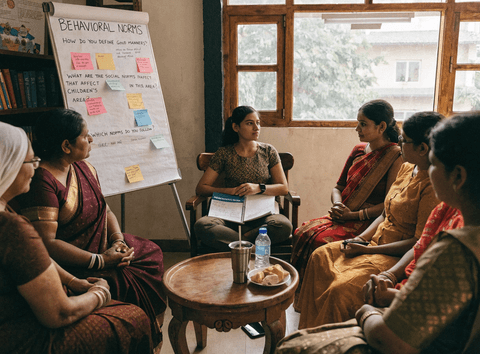

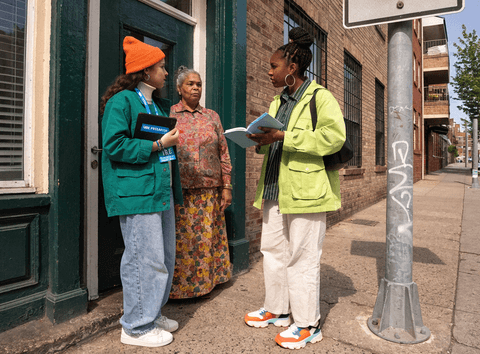
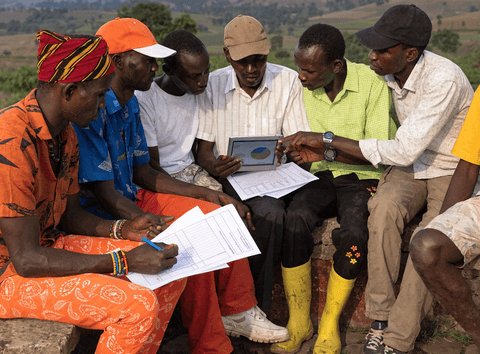
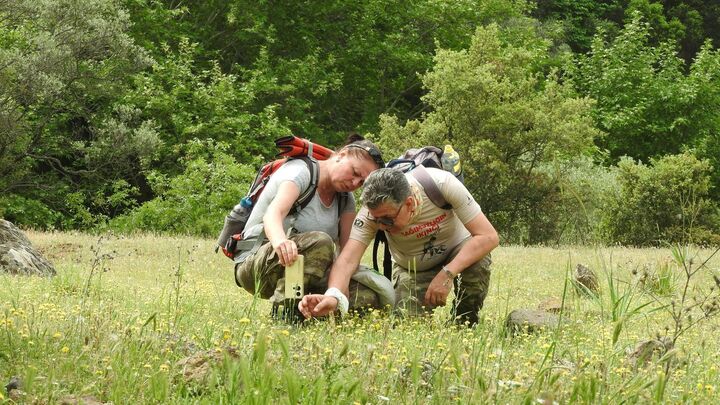
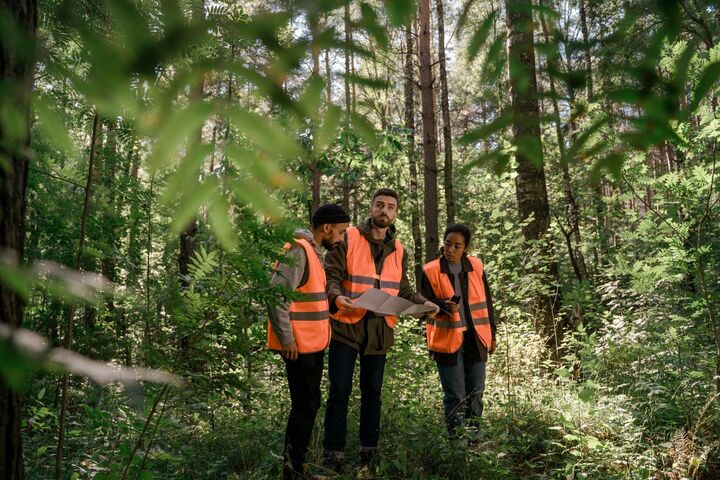
Research projects can look very different from one another. A university team might be running a multi-country public health study, an environmental researcher might be collecting observations across remote sites, an economics team might be following households over time, or a food-systems project might need researchers and staff to collect information from farms, markets and communities.
Poket can be customized around those different research workflows. Researchers, field staff, enumerators, students, community researchers and participants can all collect information through the Poket mobile application, depending on how the project is designed. Data can include structured surveys, photos, videos, GPS locations, voice notes and other research information, and the application can work offline where connectivity is limited.
This means Poket can support more traditional researcher- or enumerator-led studies, staff-led data collection, environmental or observational research, as well as participatory, longitudinal or participant-led approaches.
How Poket works
+
Researchers create surveys and data collection workflows through the Poket Portal and distribute them through the mobile application. The project can be configured around who is actually collecting the information. In one study, it may be trained enumerators or research assistants. In another, it may be clinicians, environmental field staff, agricultural extension teams, students, community researchers or other project staff. In other projects, participants themselves may submit information directly. Field users can collect structured survey responses alongside photos, video, GPS locations, voice notes and other project-specific information. The mobile application can work offline and can be localized depending on the study.
Different users or participant groups can also receive different surveys or workflows. For example, a research team might have separate forms for researchers, participants and supervisors, or different workflows for treatment and comparison groups. This can also support data collection for randomized controlled trials (RCTs) and other experimental study designs once study groups or arms have been defined. Unique participant profiles can help teams connect repeated submissions to the same person over time, which can be useful for longitudinal studies, repeated follow-up, ecological momentary assessment (EMA), experience sampling and other research designs that involve collecting information from participants more frequently.
Once data is submitted, research teams can review it through the Poket Portal. Submissions can be approved, rejected or followed up on, and feedback can be sent back to the person collecting or providing the data. Poket can also customize AI-assisted tools for workflows such as verification, transcription, summarization, anomaly detection or qualitative data review, depending on the needs of the project.
Research across different sectors
+
Poket is not designed around one specific research discipline. The platform can be customized to support research across a wide range of sectors and study designs.
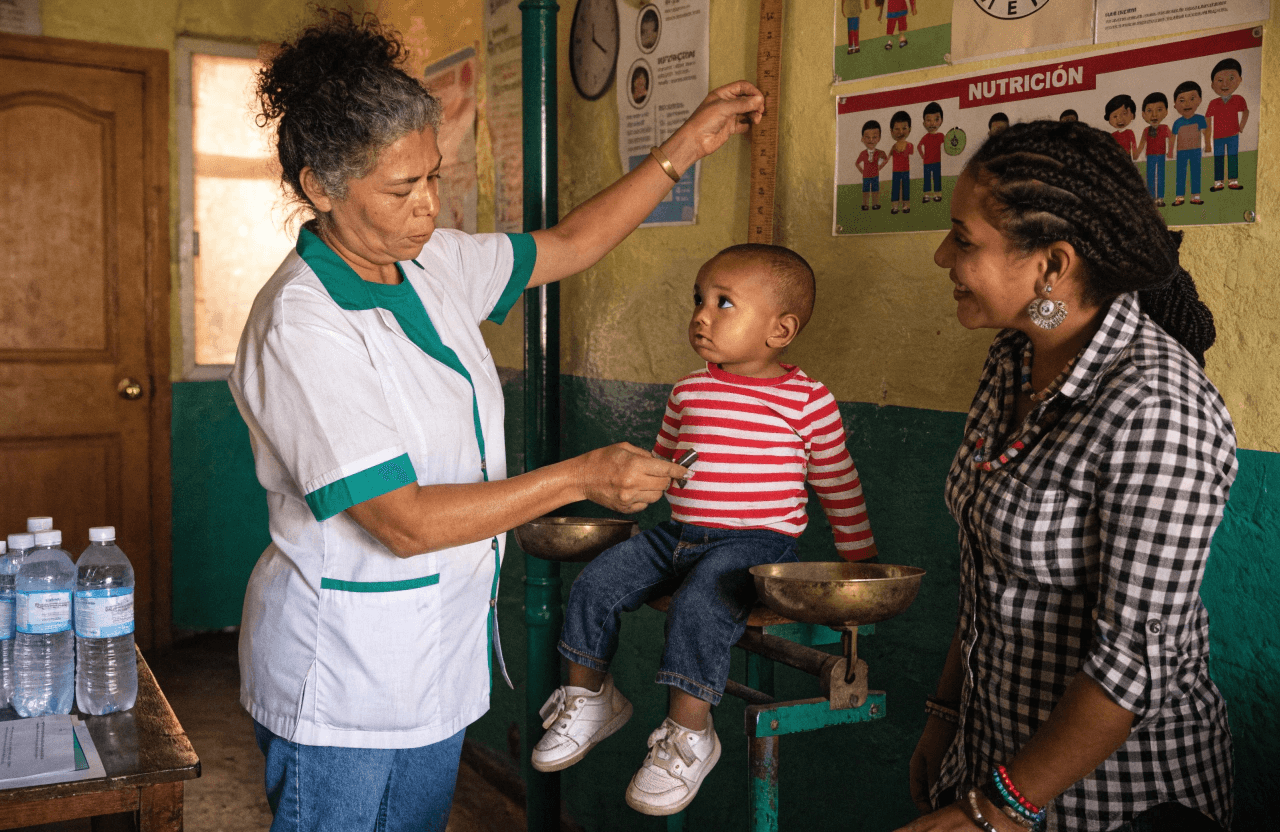
Public health and health research. Researchers might use Poket for household surveys, implementation research, treatment follow-up, health-service research, community health studies, nutrition research, participant-reported outcomes or repeated self-reporting through approaches such as ecological momentary assessment.
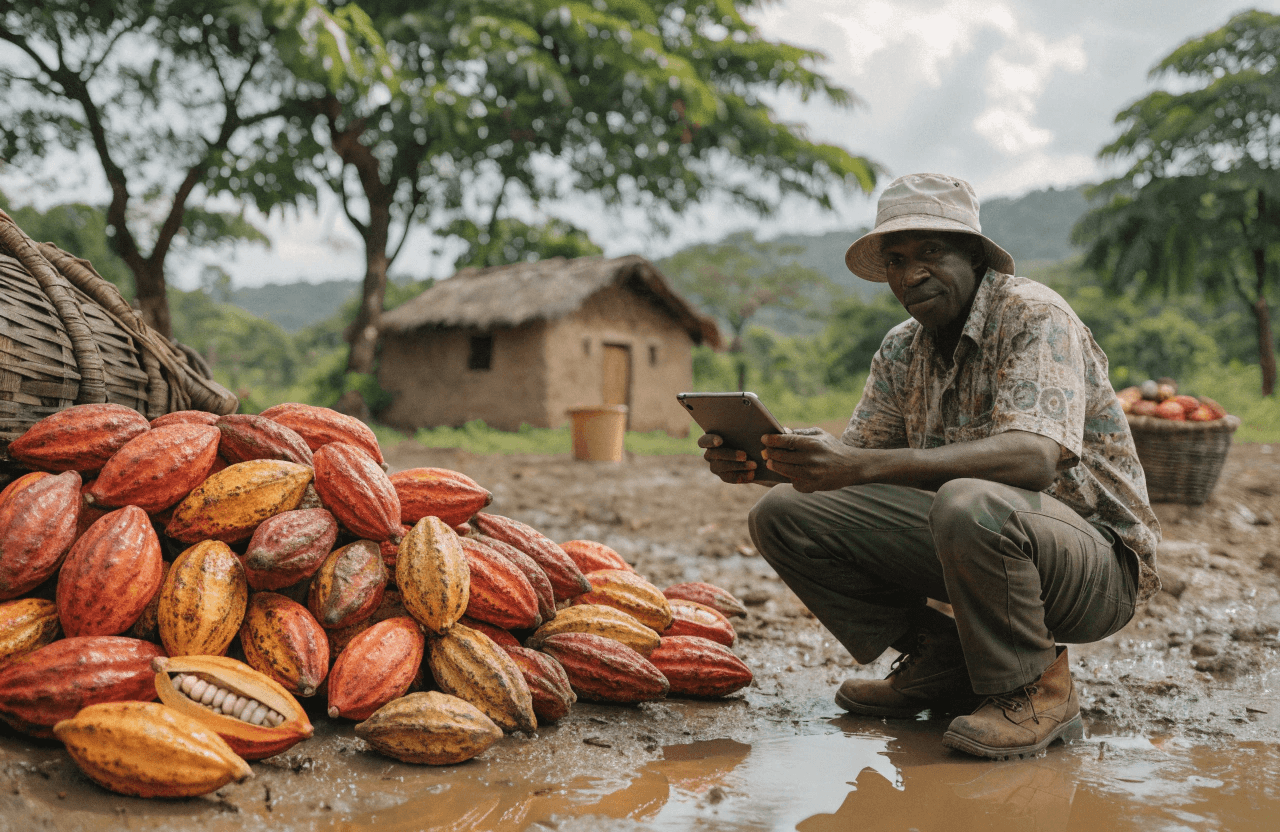
Agriculture and food-systems research. Researchers can collect information from farmers, agronomists, field staff or research plots on crop performance, input use, technology adoption, food systems, agricultural practices or field trials.
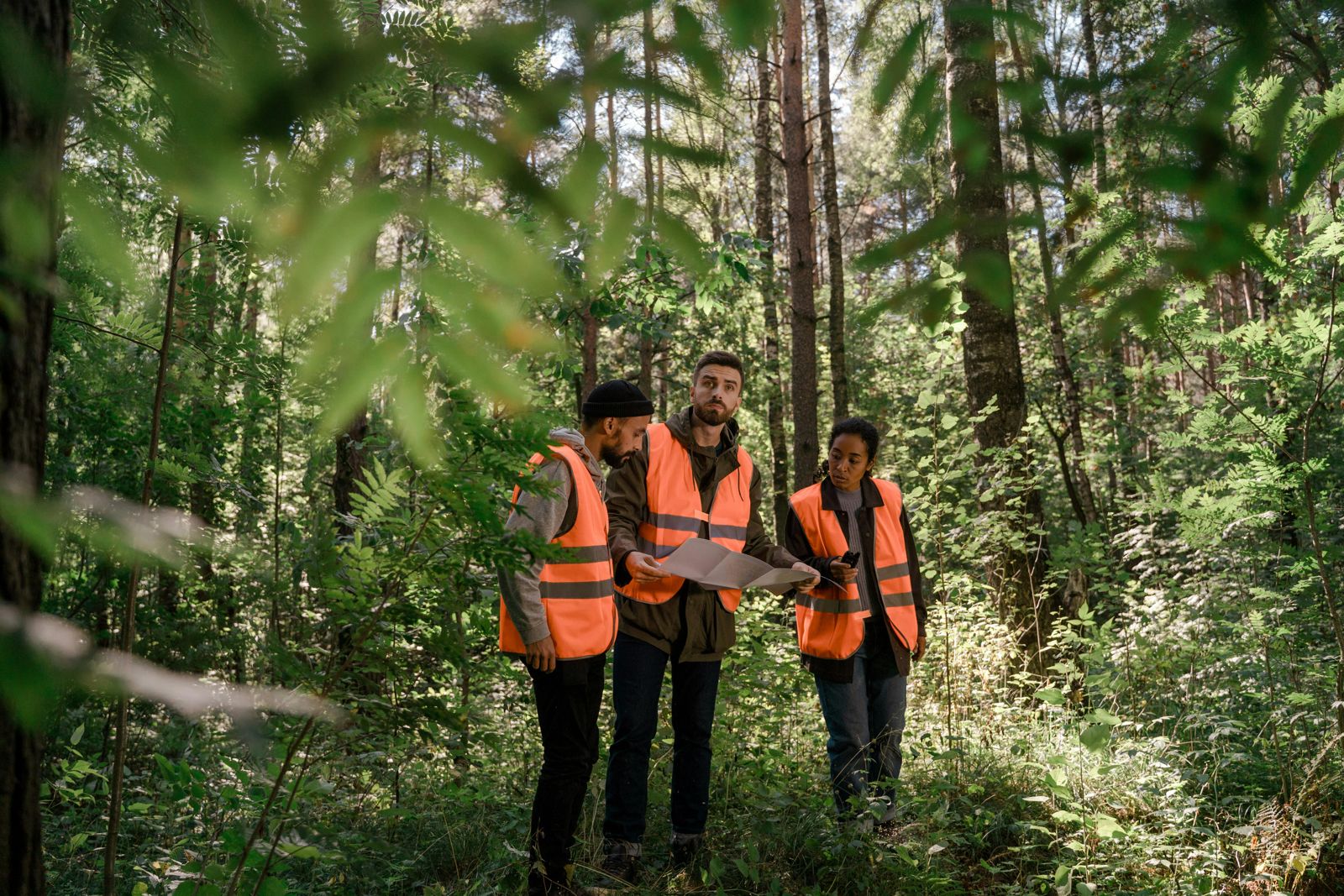
Environmental and natural-resource research. Researchers, staff or community members can report observations on water, land use, biodiversity, pollution, conservation, natural resources or environmental conditions using surveys, photos and GPS information.
Economics and development research. Researchers can follow households, businesses, workers or communities over time and collect information on livelihoods, income, employment, financial inclusion, markets, social protection or program outcomes.
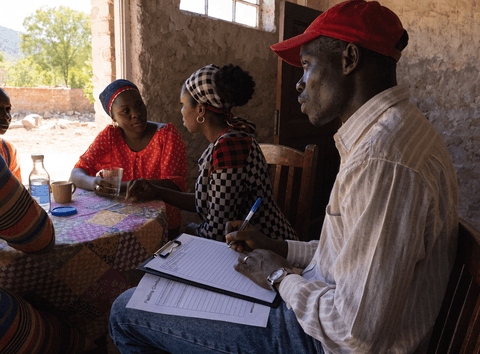
Social science and public-policy research. Poket can support surveys, interviews, community research, behaviour-change studies, service-delivery research, public opinion, lived-experience studies and participatory approaches such as Photovoice. It can also support repeated self-reporting methods such as ecological momentary assessment (EMA), experience sampling method (ESM) and diary-style studies where participants provide information closer to when an experience or behaviour occurs.
Product, technology and intervention research. Research teams can use repeated surveys, photos or voice notes to understand how participants are using a new technology, service, intervention or product under real-world conditions.
Working with your existing research workflow
+
Poket does not need to replace the analytical or research systems your team already uses. It can act as the data collection layer for a project, with data exported or connected through APIs for use in other databases, statistical packages, dashboards or institutional systems.
Existing information can also be brought into a deployment. For example, a research team may already have participant lists, study locations, facilities or other records that staff need to revisit or update. The goal is to configure Poket around the research project rather than make the project fit around the software.
What can research teams see?
+
Research teams can review incoming submissions, activity across locations, participant or site histories, GPS-based observations, qualitative feedback and other study-specific indicators through the Portal.
Dashboards can be configured depending on what the research team needs to monitor during collection. Different researchers or project teams can also be given different levels of access depending on the project. Voice notes can be transcribed to make qualitative material easier to review and search, and Poket can customize AI-assisted workflows for summarization, verification or identifying trends and anomalies where useful. Data can then be exported or integrated into other systems for further analysis.
What teams can use Poket for
Researcher, staff, student and enumerator-led data collection
Multi-site and multi-country research
Public health and health services research
Agricultural and food-systems research
Environmental and natural-resource research
Economics and development studies
Social science and public policy research
Implementation research
Program and intervention evaluations
Technology and product-adoption studies
Randomized controlled trials (RCTs), treatment and comparison-group data collection
Multi-arm research workflows
Longitudinal studies
Repeated participant or household follow-up
Ecological momentary assessment (EMA), experience sampling (ESM) and diary-style studies
Mixed-methods studies
Participatory research
Participant-led data collection
Photovoice and participant-generated visual research
Community-based research
Student-led research
Behaviour-change and social-norms monitoring
Studies combining surveys, photos, video, voice and GPS information