
Global Health

Collect more timely frontline and community health data, even offline.

Collect more timely frontline and community health data, even offline.

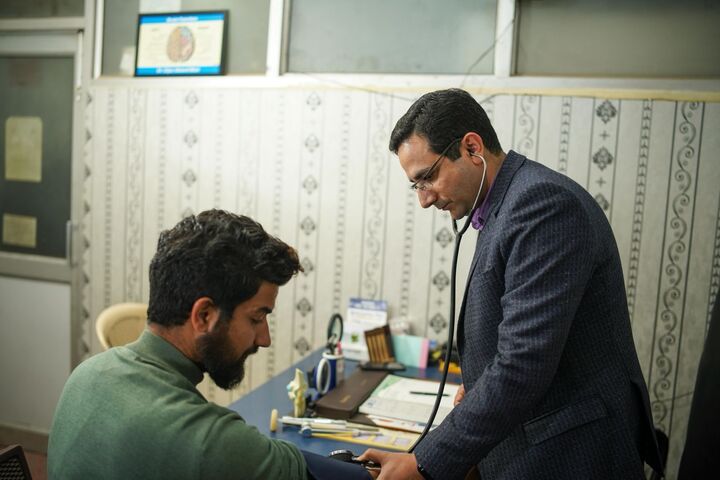
  • A doctor in a clinic examining a patient vitals
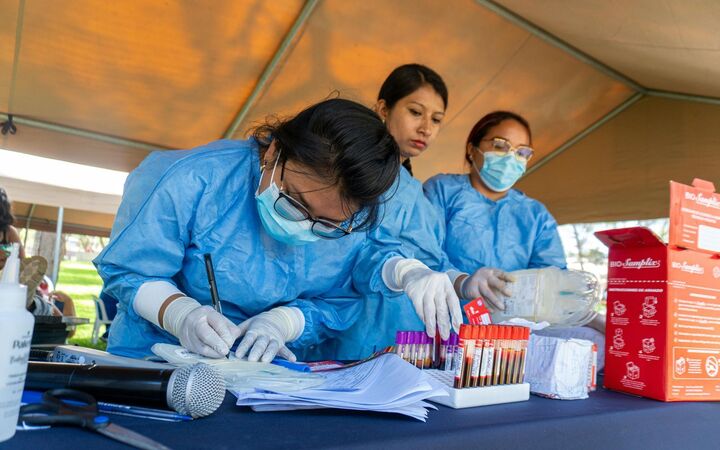
  • Two healthcare workers in protective gear preparing medical supplies in a testing tent
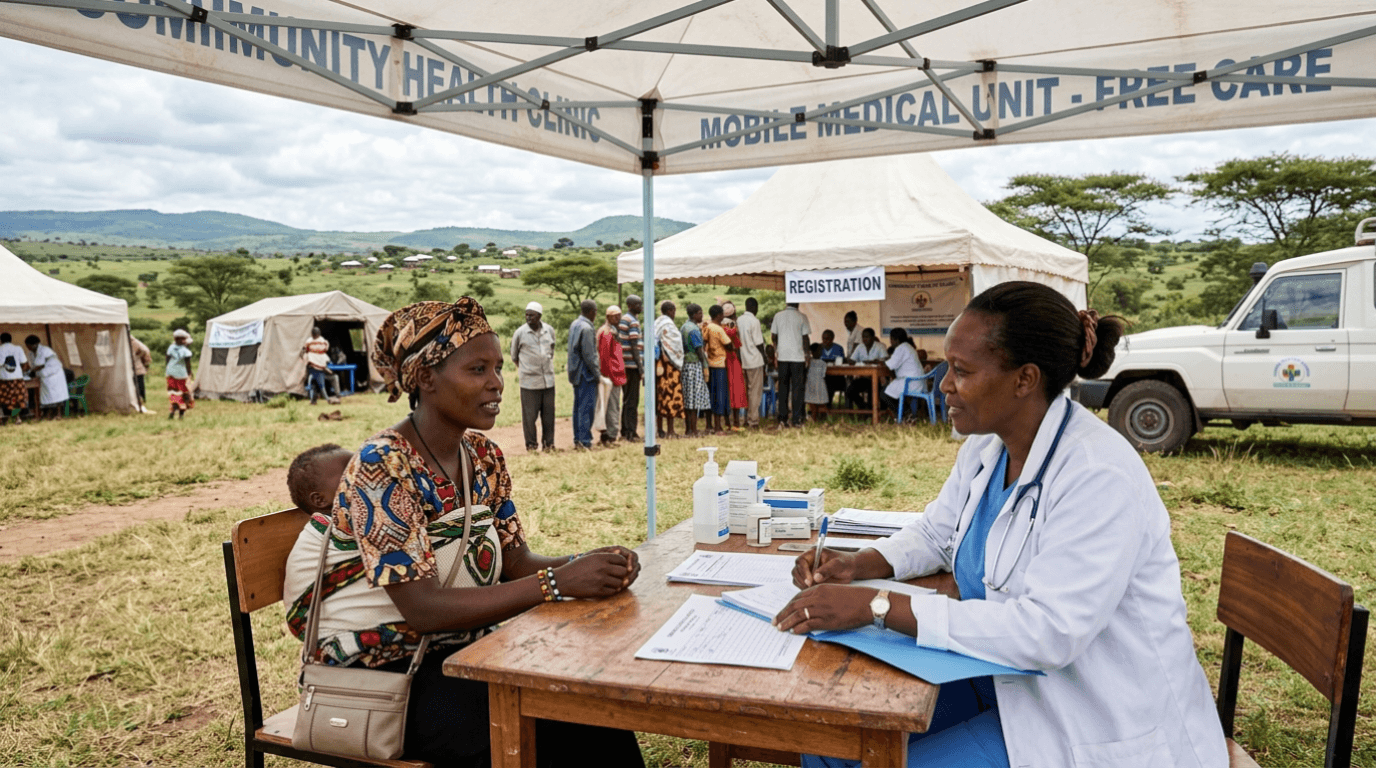
  • People gathered at tables under an outdoor tent structure, with hills in the background
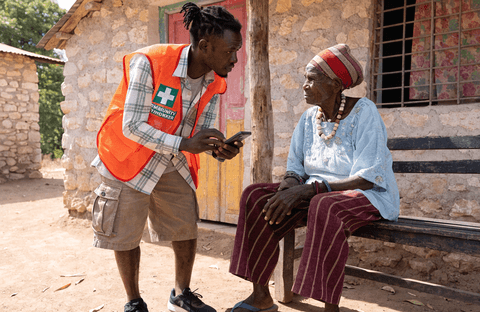
  • A community health worker in an orange vest talking with an elderly woman seated outside
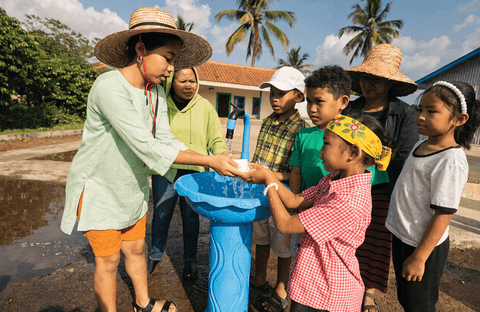
  • A woman helping a group of children wash their hands at an outdoor water station
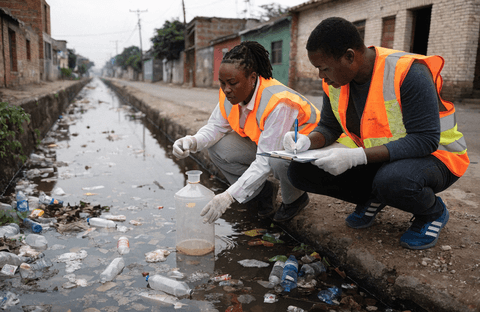
  • Man photographing trash in canal
  • Group around laptop in office
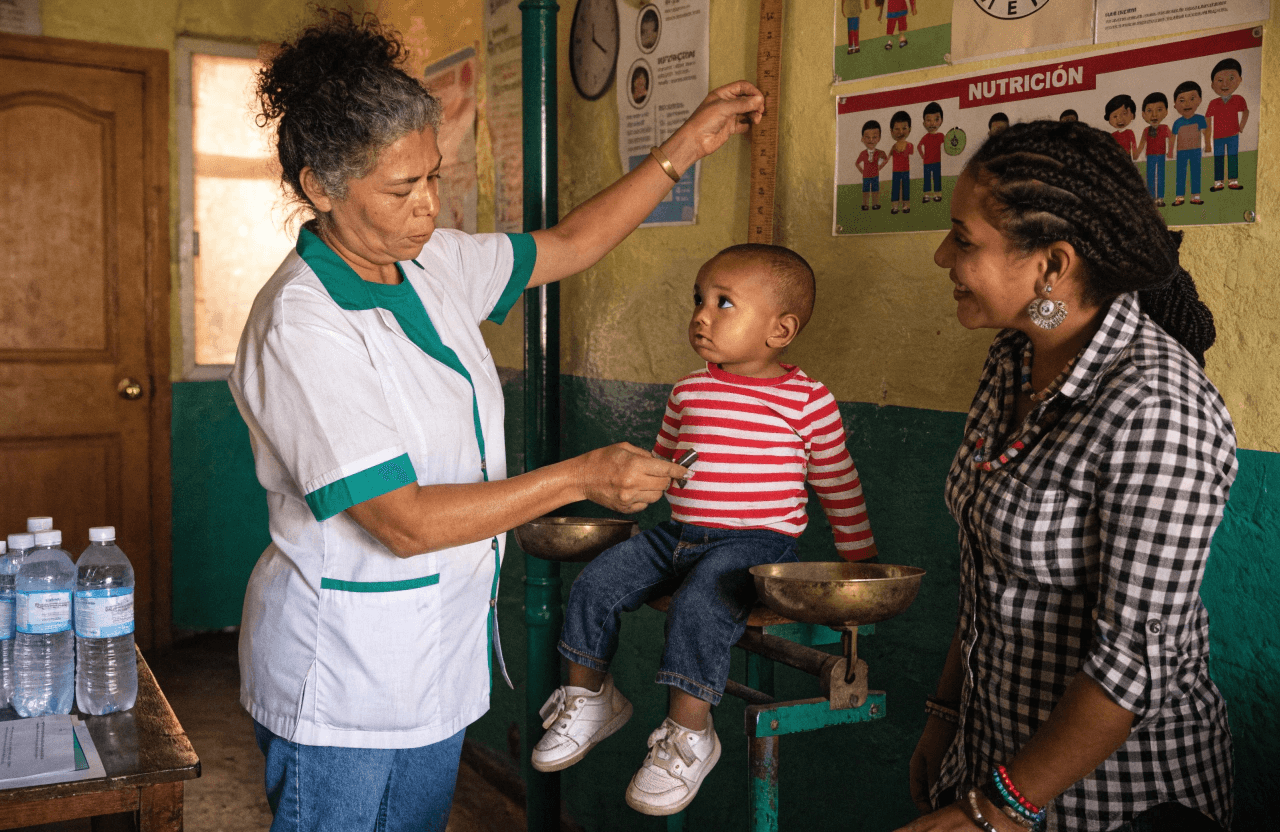
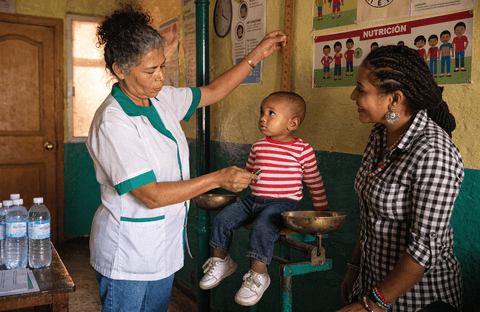
  • Health worker measuring child

For many health programs, getting timely information from the field can be difficult. Community health workers, clinic staff, enumerators and other frontline teams may be working across large geographic areas, often with limited connectivity, and information collected during household visits or community outreach may not reach program teams until much later. Poket provides another way to collect that information.

Community health workers, caregivers, patients, enumerators, clinic staff and community members can submit surveys, photos, videos, GPS locations, voice notes and other information through a smartphone. The application can be used offline, and submissions can sync when connectivity becomes available again. Just as importantly, programs can also send information back. This might include feedback on a submission, training materials, protocol updates, health resources, reminders or other information relevant to the program. The idea is to make field reporting more timely while creating a two-way channel with the people collecting or providing the data.

Some of the challenges we see in frontline health programs

Reporting can arrive later than the decisions it supports

Household visits, treatment follow-ups, service availability and other frontline activities can change quickly, while reporting may happen weekly, monthly or even less frequently.

Reporting can arrive later than the decisions it supports

Household visits, treatment follow-ups, service availability and other frontline activities can change quickly, while reporting may happen weekly, monthly or even less frequently.

Frontline workers are often asked to collect a lot of information

CHWs, volunteers, enumerators and field staff already have significant workloads. Giving them feedback, resources and useful information through the same platform can make reporting more useful to the person doing it.

Frontline workers are often asked to collect a lot of information

CHWs, volunteers, enumerators and field staff already have significant workloads. Giving them feedback, resources and useful information through the same platform can make reporting more useful to the person doing it.

Verification can be difficult after the fact

Depending on the program, submissions can include photos, GPS locations, timestamps or other supporting information to give program teams more context when reviewing what was reported.

Verification can be difficult after the fact

Depending on the program, submissions can include photos, GPS locations, timestamps or other supporting information to give program teams more context when reviewing what was reported.

Language and literacy can vary across a program

Poket can be localized depending on the deployment, and voice notes can give participants or frontline workers another way to provide information where typing a longer response is not practical.

Language and literacy can vary across a program

Poket can be localized depending on the deployment, and voice notes can give participants or frontline workers another way to provide information where typing a longer response is not practical.

How Poket works

+

Your team creates surveys and data collection workflows through the Poket Portal. These could include household visit records, vaccination or campaign monitoring, treatment follow-ups, service-delivery checks, participant self-reporting, facility mapping, vulnerability surveys or other program-specific workflows. The surveys are then made available through the Poket mobile application. Community health workers, patients, caregivers, enumerators, clinic staff or other field users can collect structured survey responses alongside photos, video, GPS locations and voice notes.

The app can work offline, allowing information to be collected in areas without reliable connectivity and synced later. Poket can also be localized depending on the program. Voice notes can be transcribed, and Poket can customize AI-assisted workflows for transcription, summarization or other qualitative-data processing. Once information is submitted, program teams can review it through the Portal. Submissions can be approved, rejected or followed up on, and feedback can be sent back to the person who submitted it. Poket can also customize AI-assisted verification workflows to help identify submissions that may require additional review, while keeping a person involved in the final decision.

What can program teams see?

+

Poket can bring together information submitted across frontline workers, facilities, communities and participants. Depending on the program, this could include reported service coverage by geography, treatment follow-up or adherence information, household visit activity, mapped care access points, community-reported health risks, service-user feedback and qualitative information from frontline teams.

Voice notes can also be transcribed to make qualitative feedback easier to search and review. Dashboards and access can be configured depending on the needs of the program.

Working alongside national health information systems

+

Poket does not need to replace a national HIS or another reporting system your program already uses. These systems may be used to aggregate routine information across facilities, programs and health authorities.

Poket can instead provide another channel closer to where information is being generated: a household visit, community outreach activity, facility check or participant interaction. Data collected through Poket can then be exported or connected through APIs to other systems your program uses, depending on the integration requirements.

What teams can use Poket for

Vaccination and health campaign monitoring

Community health worker reporting

Household and vulnerability surveys

Post-distribution monitoring

Treatment adherence and continuity-of-care reporting

Participant self-reporting on symptoms or health experiences

Monitoring public-health interventions and frontline service delivery

Community-based mapping of clinics, pharmacies and care-access points

Water, sanitation and hygiene monitoring

Nutrition and food-access monitoring

Frontline and service-user feedback

Reporting disease vectors, outbreaks or other local health risks

Crowdsourcing medicine or health-supply availability and pricing

Sharing resources, training and program updates back to field users
Interested in exploring a use case?

If you’re running a public-health or community-health program where getting timely information from the field is difficult, we’d be happy to learn more about your workflow and show how Poket could be customized around it.

Interested in exploring a use case?

If you’re running a public-health or community-health program where getting timely information from the field is difficult, we’d be happy to learn more about your workflow and show how Poket could be customized around it.

Woman helping children at water station

Additional Focus Areas

Frequently Asked Questions +

Interested in learning more? Drop us a line!

Whether you have questions about a specific project or want to learn more about our solution, we're here to help! Feel free to reach out and connect with us.

Message

Interested in learning more? Drop us a line!

Whether you have questions about a specific project or want to learn more about our solution, we're here to help! Feel free to reach out and connect with us.

Message

Interested in learning more? Drop us a line!

Whether you have questions about a specific project or want to learn more about our solution, we're here to help! Feel free to reach out and connect with us.

Message