Sustainable Supply Chains
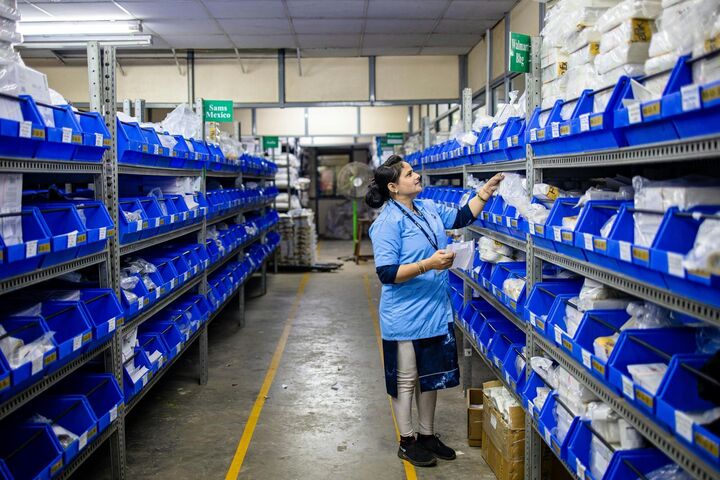
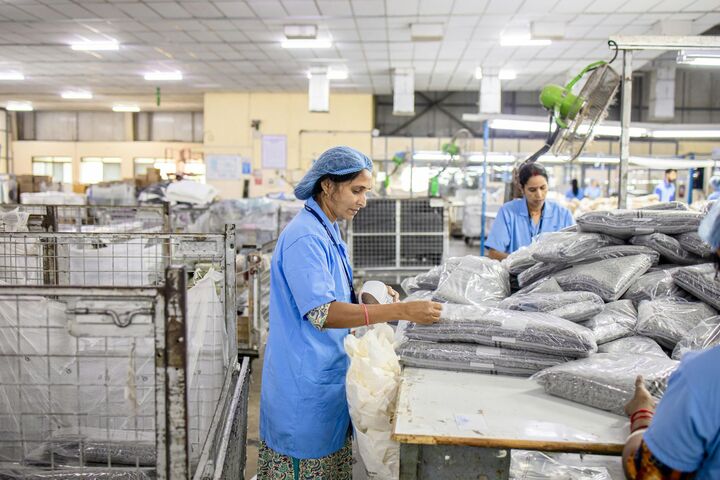
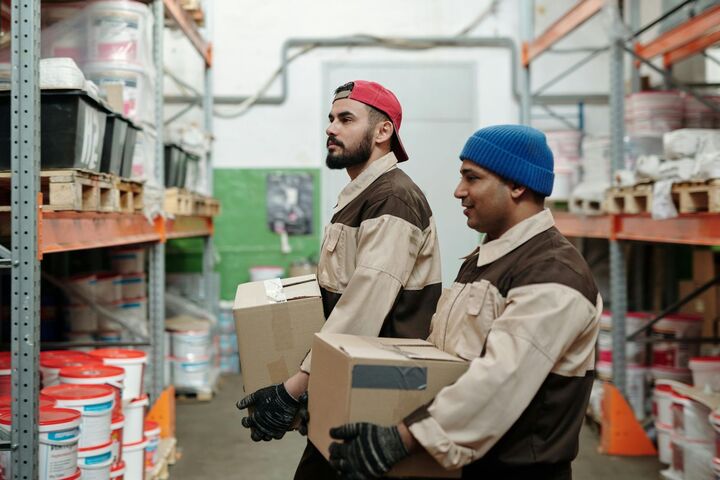
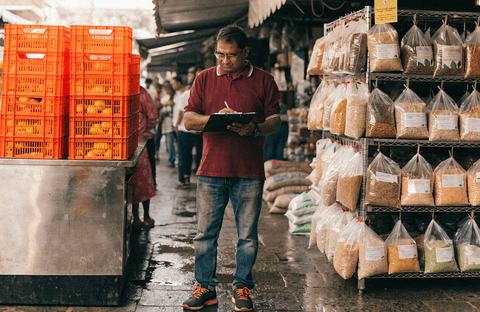

For many sustainability and supply-chain teams, information becomes less detailed the further you move from suppliers. Data may come through supplier questionnaires, audits, implementing partners or periodic site visits. These approaches are still important, but they can make it difficult to understand what is happening between audits, further down the supply chain, or from the perspective of workers and communities themselves.
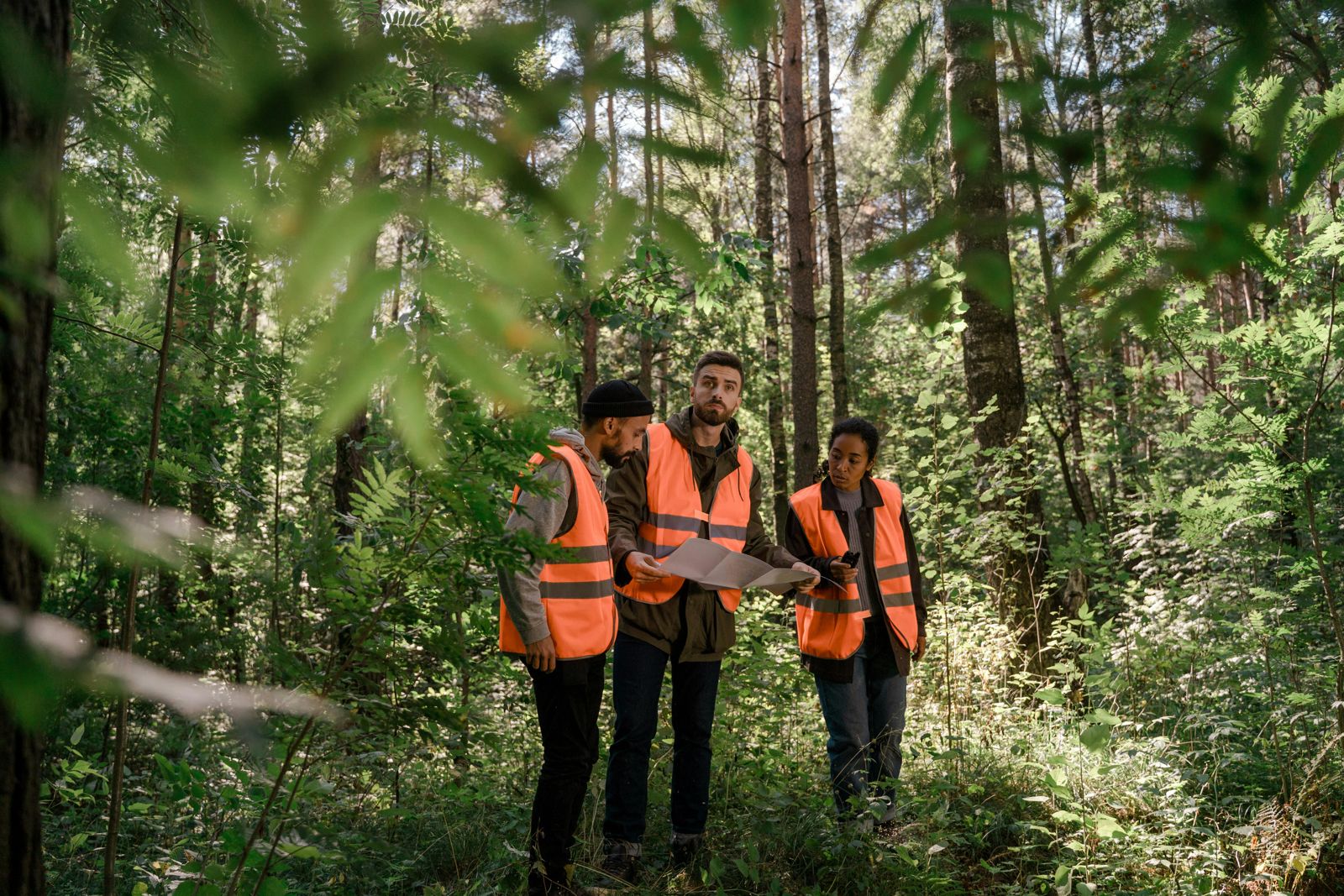
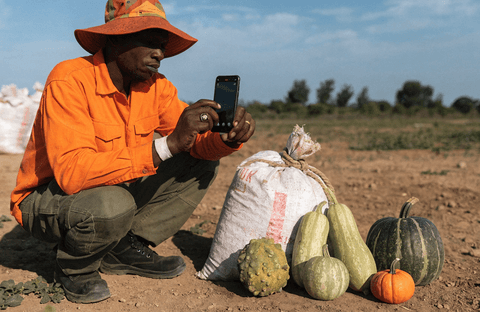
Poket provides another way to collect that information. Farmers, workers, field staff, suppliers, auditors, sourcing partners, enumerators and community members can submit surveys, photos, videos, GPS locations, voice notes and other information directly through a smartphone, including in areas with limited connectivity.
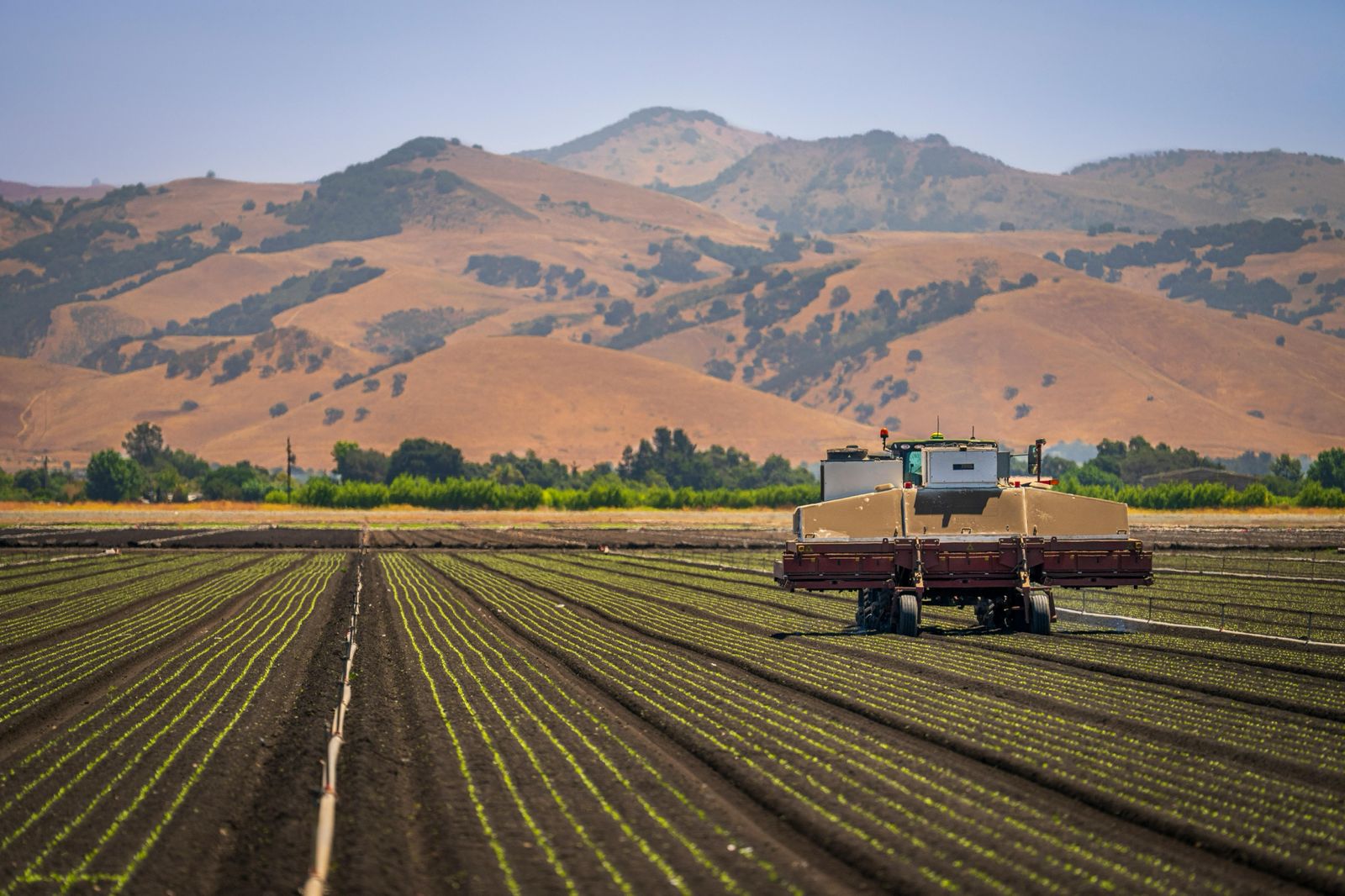
Depending on the program, this could mean tracking agricultural practices at the farm level, monitoring conditions at factories or production sites, collecting worker feedback, documenting supply-chain risks, or giving communities another way to report issues affecting them.
How Poket works
+
Your team creates surveys and reporting workflows through the Poket Portal. These might include supplier condition reports, worker feedback, facility checks, input and material logs, production records, site verification, community observations or labour-condition reporting. Suppliers, workers, farmers, field staff, auditors, sourcing partners, enumerators and other participants can submit information through the mobile application. Submissions can include structured survey responses, photos, video, GPS locations and voice notes. The app can work offline and can be localized depending on the program.
Once information is submitted, your team can review it in the Portal and approve, reject or follow up on individual submissions. Depending on the use case, Poket can also customize AI-assisted verification tools to help flag submissions that may require a closer look. Supporting information can include GPS locations, timestamps, photographs, transaction records or other documentation, depending on the workflow. This can provide additional evidence for traceability, certification support, MRV, sustainability reporting and responsible-sourcing programs.
Worker voice, labour conditions and grievance reporting
+
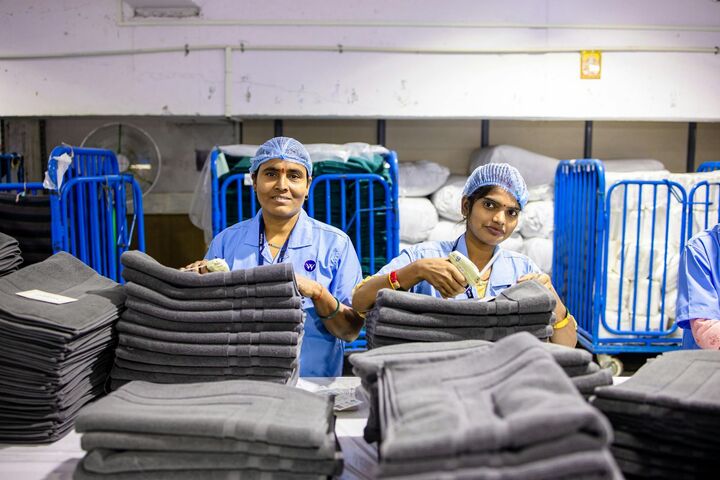
Poket can also be configured to collect information directly from workers and communities about conditions they are experiencing across a supply chain. This can be especially relevant in sectors such as apparel and textiles, agriculture, manufacturing and other labour-intensive industries, where sustainability teams may want another channel for understanding what is happening beyond supplier-level reporting.
For example, garment workers, farm workers or other participants could be asked to report on workplace safety, harassment or misconduct, wage or payment issues, excessive working hours, discrimination, forced-labour risk indicators, child-labour concerns, recruitment-fee or debt-related concerns, worker housing conditions, or grievances related to supervisors or management.
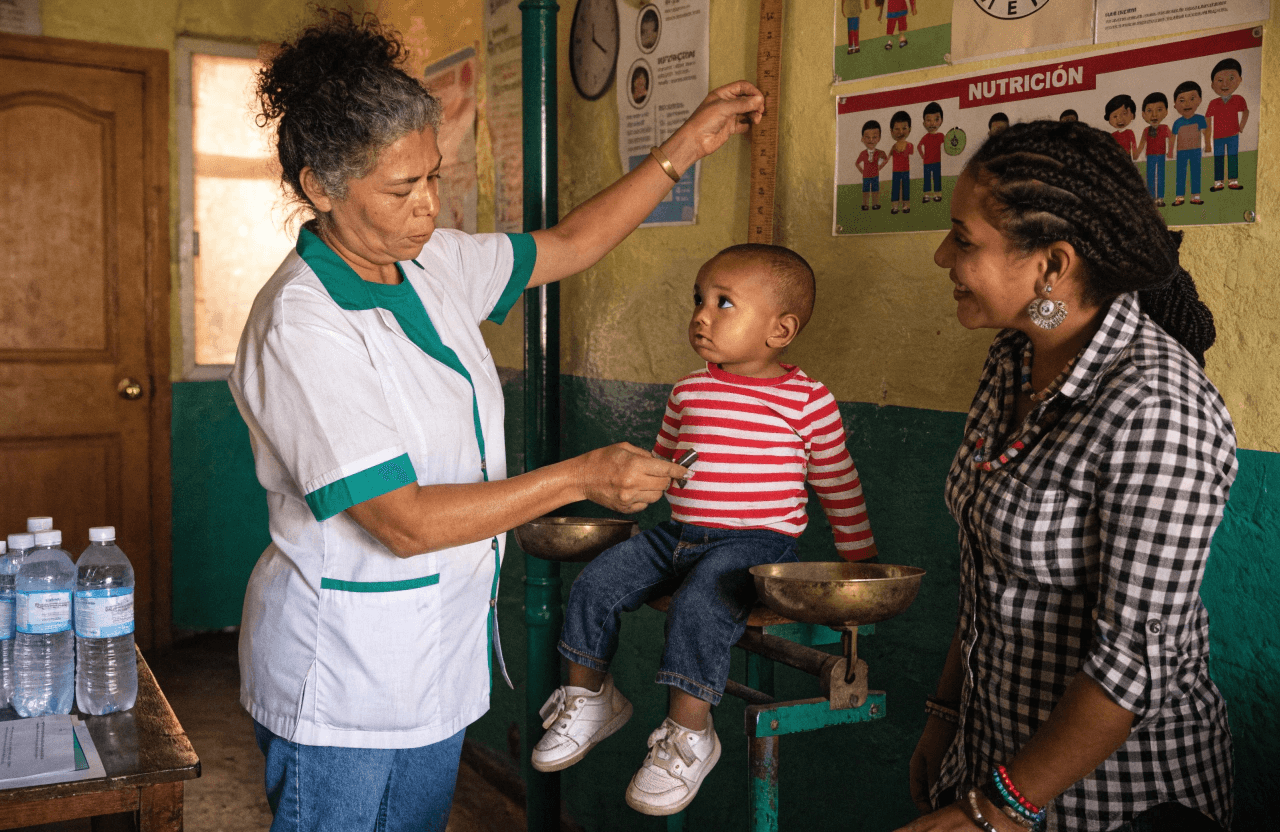
Community members can also participate in some workflows. Programs working around production sites could collect community-generated reports about suspected child labour, unsafe working conditions, environmental impacts, labour exploitation or other local concerns. The important part is that Poket does not require all of this information to come through supplier management. Depending on how the program is designed, workers, farmers, community members, enumerators or independent field teams can provide information directly.
Supporting safer reporting workflows
+
For sensitive topics such as worker grievances, child-labour concerns, forced-labour indicators, harassment or misconduct, the design of the reporting workflow matters just as much as the technology. Programs can customize what information is requested, who can see submissions, what supporting evidence can be included, how cases are categorized and what follow-up process happens after a report is received.
Where appropriate, a deployment could also be designed around anonymous or confidential reporting requirements, but those privacy and safeguarding requirements can be defined collaboratively with your team as part of the program design. Poket can provide the reporting channel, while the organization determines how grievances are investigated, escalated and resolved.
What can program teams see?
+
Poket can bring together mapped supplier and production locations, submissions by geography, reported issues, field observations and worker or participant feedback. Depending on the program, teams could also categorize submissions by issue type, location, supplier, facility or participant group to help identify patterns over time.
Voice submissions can also be transcribed to make qualitative information easier to review and search. Poket can customize AI-assisted capabilities for summarizing larger volumes of qualitative feedback, identifying trends or anomalies, or helping teams prioritize submissions for review. Dashboards can be configured for different program needs, and data can be exported or connected through APIs to other reporting, analytics or sustainability systems.
What teams can use Poket for
Supply-chain traceability workflows
Receipt and transaction verification
Certification-support data collection
Supplier reporting
Worker voice and participant feedback
Worker grievance and labour-condition reporting
Workplace safety observations
Monitoring harassment, misconduct or poor-treatment concerns
Reporting child-labour concerns or risk indicators
Reporting forced-labour indicators or other labour-rights risks
Monitoring farms, factories, warehouses and production sites
Apparel and textile worker feedback programs
Social-audit follow-up and between-audit reporting
Mapping supplier and production locations
Responsible sourcing and sustainability monitoring
Tracking production or raw material flows closer to the origin
Photo, video, GPS and voice-based field verification
Community-level reporting on supply-chain risks or disruptions
Environmental and community-impact reporting around sourcing or production locations
Last-mile retail and shopper-experience studies